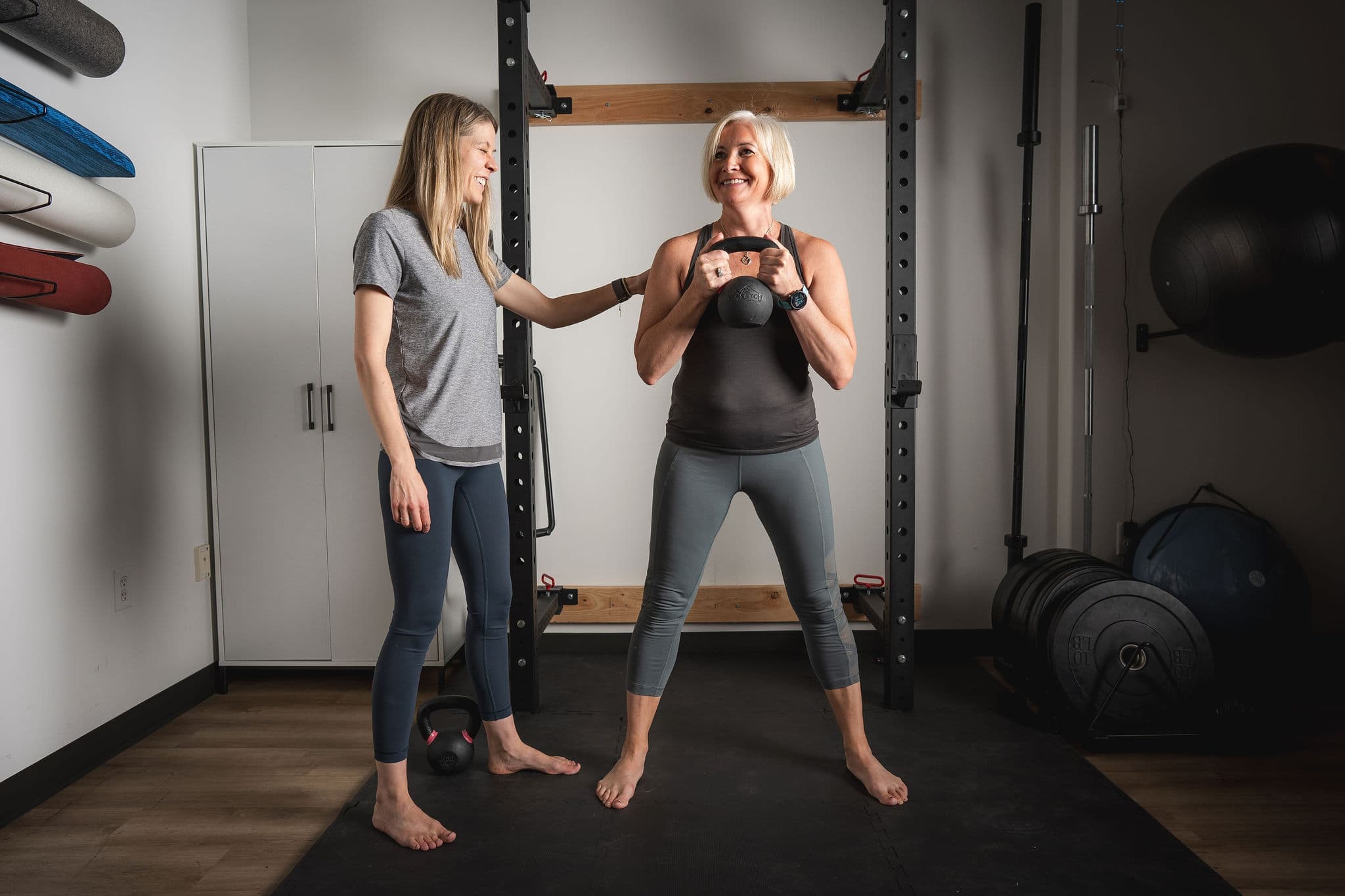
Strength Training and Bone Mineral Density: How to Build Stronger Bones at Every Age
June 3, 2025
Bone Mineral Density
Bone health is critical for us at every age, but there are times when our bodies are more susceptible to mineral density changes — including for females during menopause and for older people across the board. Low bone mineral density increases the risk of fractures, disability, and loss of independence, especially in older populations. Conditions like osteoporosis and osteopenia affect millions of people, and many don't realize they have low bone density until they suffer a fracture.
Osteopenia is defined as low bone mineral density that is below normal but not low enough to be classified as osteoporosis.
Osteoporosis is defined as a disease characterized by very low bone mineral density and deterioration of bone tissue, leading to increased fracture risk.
There are several ways to improve bone strength and bone mineral density, but one of the most effective and holistic approaches is through strength training and weight-bearing exercise.
What is bone mineral density?
Bone mineral density (BMD) is a measure of the amount of minerals in your bones. This helps determine their strength, density, and ability to withstand stress. BMD is measured through DEXA scans, considered the gold standard for diagnosing osteopenia and osteoporosis.
Risk factors for low bone mineral density include:
- Aging (we hit our peak bone mass around age 30 and slowly decline thereafter — this is why it's so important to establish good strength training for bone health routines in our 20s and 30s to limit bone loss as we age)
- Menopause (due to the drop in estrogen during perimenopause and menopause)
- Sedentary lifestyle
- Low body weight
- Smoking
- Excessive alcohol consumption
- Family history of osteopenia or osteoporosis
How strength training helps improve bone mineral density
Our body relies on feedback loops to determine when change is needed. When it comes to bone health, the more stress and force applied to a bone, the stronger the body builds that bone.
This is where strength training for bone density comes into play. Loading the muscles that surround a bone encourages bone remodeling and new bone tissue formation — especially when training is done with enough intensity to trigger adaptation.
Bones respond best to:
- High-impact activities
- Weight-bearing exercises
- High-resistance exercises
Lighter resistance, like five-pound dumbbells, and walking often aren't enough to stimulate meaningful bone strength changes.
Consistency matters: Without regular loading, your body won't prioritize maintaining or building bone, as it's an energy-intensive process.
The best exercises for bone health and density
The most effective movements are compound exercises that load multiple joints and muscle groups:
- Squats
- Lunges
- Deadlifts
- Overhead presses
- Rows
- Bench press
These should be done 1 to 3 times per week using moderate to heavy loads, aiming for near muscle failure at 8 to 12 reps per set.
Other helpful activities include:
- Hopping
- Jumping
- Plyometrics
- Step-ups and step-downs
- Hiking (especially with hills)
- Stair climbing
These types of weight-bearing exercises for bone density provide the high force that bones need to remodel and strengthen.
Menopause, bone loss, and strength training
Menopause significantly impacts bone health due to the drop in estrogen, a key hormone in bone formation. This is why many women experience faster bone loss during perimenopause and menopause.
A DEXA scan during this stage provides a helpful baseline to monitor bone mineral density over time.
Strength training for menopause bone health is a powerful, natural way to help prevent bone loss and reduce fracture risk.
Other ways to support bone mineral density
While diet and medications (such as bisphosphonates) can support bone health, medications may have side effects.
The advantage of strength training to improve bone mineral density is that all its side effects are positive — including better:
- Strength
- Balance
- Mood
- Body composition
- Sleep
Ready to build stronger bones?
Because proper stimulus dosing is essential, we recommend seeking professional guidance if you're using strength training to significantly improve bone mineral density, especially if you're opting out of the medical route.
We've seen clients in their 70s and 80s improve BMD on DEXA scans through our systematic strength programs.
If you're ready to start but don't know where, reach out for a free 15-minute consult. We'll help set the right parameters to ensure you get the most bang for your buck.